The Engine Of Your Revenue: Dual-Belt & Chain Conveyor Systems
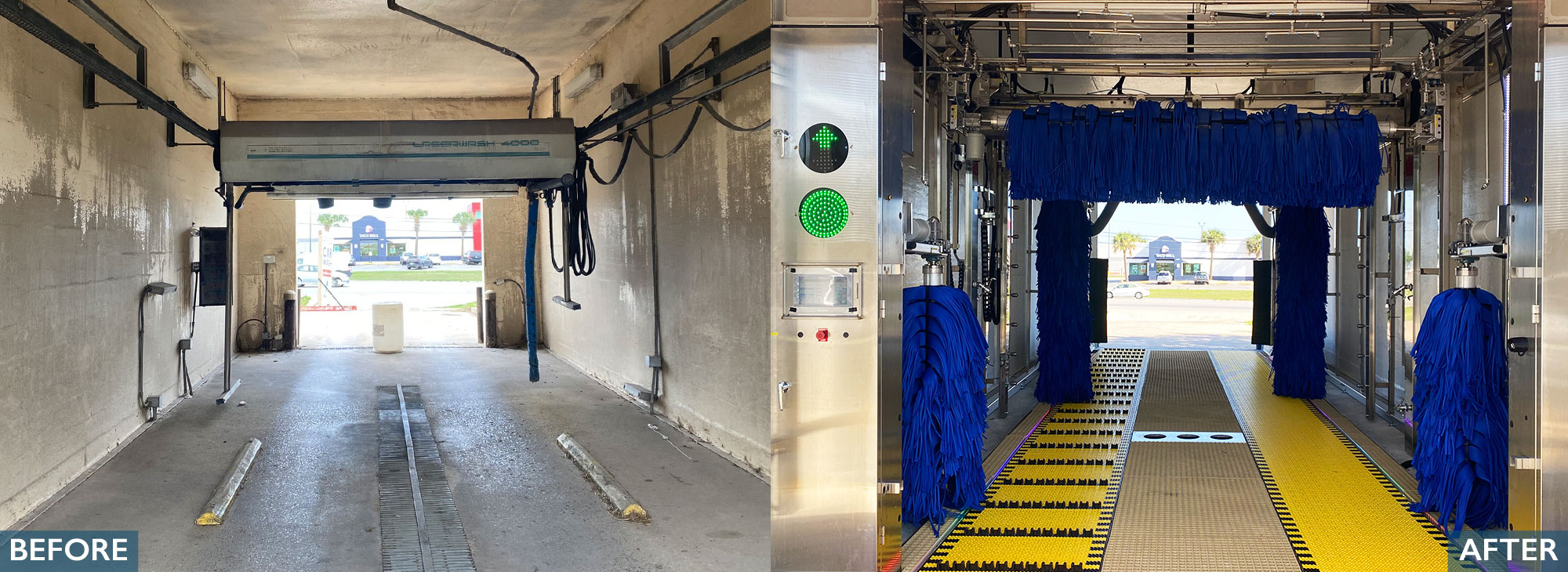


Your conveyor is the heartbeat of the wash. If it stops, your revenue stops. WashX provides custom-length solutions engineered for maximum uptime. From heavy-duty X458 Chain Retrofits to our flagship Electric Dual-Belt, we design the safest, highest-throughput backbone for your site.
Flagship: Electric Dual Belt Conveyor
The modern standard for high-volume tunnels. Eliminate guide rails, reduce utility costs, and wash the cars that chains turn away.
Key Advantages of Dual Belt:
Zero Rim Damage: The flat-belt design creates a "moving floor," eliminating the #1 cause of customer damage claims: scratched wheels.
Capture The "Unwashable": Safely process dually trucks, wide-tire Jeeps, and low-clearance exotics.
Higher CPH (Cars Per Hour): A wider loading target reduces customer hesitation, allowing you to load faster and stack cars closer.
Electric Efficiency: Ditch the hydraulic leaks. Our VFD-controlled electric drives consume less power and offer smoother acceleration.
Traditional & Custom Options
Rugged simplicity. For operators who prefer the industry standard, we supply custom-length chain conveyors built to outlast the competition.
X458 Chain Standard: We use heavy-gauge forged steel chains for maximum durability and easy local parts sourcing.
Drop-In Retrofits: We manufacture to your exact pit length, making it easy to replace an aging system without major construction.
Drive Systems: Choose between Hydraulic Power Packs or Direct-Drive Electric motors depending on your preference.
Durability and Maintenance Focus
Robust Construction: Heavy-gauge structural steel support frames are engineered for heavy-duty vehicle transport.
Chain Maintenance: Our traditional systems include features like automatic chain tensioners to ensure smooth operation and minimize downtime.
Greaseless Components: Options are available for greaseless bearings and simplified lubrication points, reducing necessary maintenance labor and costs.
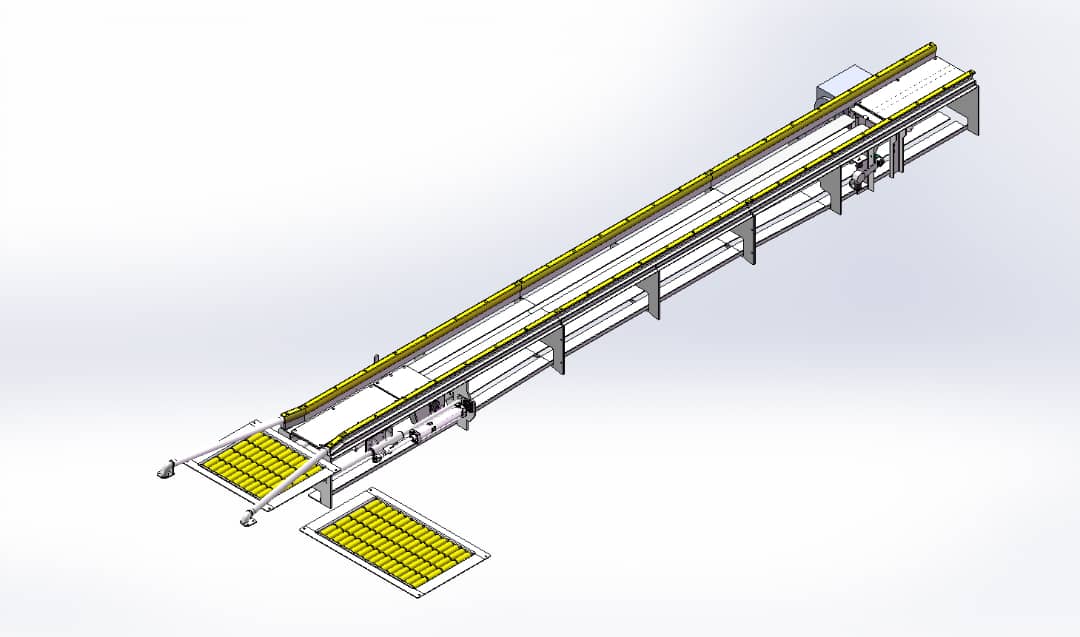
Dual Belt Conveyor Technical Specification:
Belt Width: Two parallel 36" wide belts.
Belt Material: Heavy-duty chain-link construction with integrated yellow safety edging for high visibility.
Segmented Design: Belts are pre-fabricated in 10-20 ft sections for modular installation and easier maintenance.
Support System: Belts glide on low-friction UHMWPE rollers (2" diameter, beige) to minimize wear and noise.
Total Length: Standard configuration includes a 90 ft wash section plus a 16 ft loading section for a total run of 106 ft.
Power & Drive System
Motor Configuration: Powered by four (4) 20 HP motors, totaling 80 HP of system power.
Electrical Specs: 460V, 3-phase system with an approximate total draw of 80 Amps.
Variable Speed Control: Integrated VFDs (Variable Frequency Drives) allow for precise speed adjustments.
Drive Train: Features a motor-gearbox unit with a 12-tooth sprocket (1-1/2" bore) driving a 2-3/4" diameter steel drive shaft.
Load Capacity & Performance
Max Axle Load: Engineered to support up to 8,000 lbs+ per axle, accommodating heavy-duty pickups and dual-rear-wheel trucks.
Track Alignment: Dual tracks are spaced 18-20" center-to-center to ensure safe, wide-vehicle acceptance.
Safety Features: Includes E-stop integration at entry/exit and photo-eye sensors for overload detection.
Construction & Maintenance
Structural Foundation: Modular steel frames are mounted on A36 galvanized steel embed plates.
Integrated Cleaning: Features a built-in rinse applicator that uses 10 GPM of reclaim water to continuously clean the belts.
Tensioning: Equipped with adjustable tensioners allowing for 1-2" of travel for easy maintenance.
Lubrication Points: Simplified maintenance with standard grease points for rollers and synthetic oil.
Dual Belt Conveyor Technical Specification:
Belt Width: Two parallel 36" wide belts.
Belt Material: Heavy-duty chain-link construction with integrated yellow safety edging for high visibility.
Segmented Design: Belts are pre-fabricated in 10-20 ft sections for modular installation and easier maintenance.
Support System: Belts glide on low-friction UHMWPE rollers (2" diameter, beige) to minimize wear and noise.
Total Length: Standard configuration includes a 90 ft wash section plus a 16 ft loading section for a total run of 106 ft.
Power & Drive System
Motor Configuration: Powered by four (4) 20 HP motors, totaling 80 HP of system power.
Electrical Specs: 460V, 3-phase system with an approximate total draw of 80 Amps.
Variable Speed Control: Integrated VFDs (Variable Frequency Drives) allow for precise speed adjustments.
Drive Train: Features a motor-gearbox unit with a 12-tooth sprocket (1-1/2" bore) driving a 2-3/4" diameter steel drive shaft.
Load Capacity & Performance
Max Axle Load: Engineered to support up to 8,000 lbs+ per axle, accommodating heavy-duty pickups and dual-rear-wheel trucks.
Track Alignment: Dual tracks are spaced 18-20" center-to-center to ensure safe, wide-vehicle acceptance.
Safety Features: Includes E-stop integration at entry/exit and photo-eye sensors for overload detection.
Construction & Maintenance
Structural Foundation: Modular steel frames are mounted on steel embed plates.
Integrated Cleaning: Features a built-in rinse applicator that uses 10 GPM of reclaim water to continuously clean the belts.
Tensioning: Equipped with adjustable tensioners allowing for 1-2" of travel for easy maintenance.
Lubrication Points: Simplified maintenance with standard grease points for rollers and synthetic oil.

View All Tunnel Equipment
Get a Custom Quote
Can I retrofit a Dual Belt system into my existing chain pit?
Yes. We engineer our Dual Belt frames to fit standard conveyor trenches. We custom-manufacture the length and width to drop into your existing concrete work, meaning you can upgrade from an old chain system to a modern belt without digging up your entire tunnel or pouring new concrete.
Does the Dual Belt system handle dually trucks and wide tires?
Yes. This is a massive advantage over chain conveyors. Our belts utilize a 30-inch wide platform (split into two tracks) that easily accommodates dual-rear-wheel pickups (duallys) and ultra-wide Jeep tires that typically get stuck or damaged in standard guide rails.
Electric vs. Hydraulic Drive: Which is better for conveyors?
We recommend Electric Direct-Drive. While hydraulic systems are powerful, they are prone to leaks that ruin belts and concrete. Our Electric VFD (Variable Frequency Drive) systems provide smoother start/stops, consume 30-40% less energy, and eliminate the risk of a hydraulic line bursting in your pit.
How do I clean the pit under a Dual Belt conveyor?
We designed our frames with integrated wash-down ports and an open-grate belt structure. Mud and debris fall through the belt to the trench floor, where built-in rinse manifolds (using reclaim water) flush the sludge to your pits. You don't need to lift the belt manually to spray it out.
Will the plastic belt links break under heavy load?
No. We use heavy-duty modular plastic links engineered for high-torque environments. Unlike a chain that can snap and shut down the whole wash, if a plastic link is damaged, you can pop it out and replace just that 6-inch section in minutes with a flathead screwdriver—no welding required.
Does a belt conveyor really increase Cars Per Hour (CPH)?
Yes. The #1 slowdown in a tunnel is "Loading Anxiety"—customers hesitating to line up their wheel with a narrow chain correlator. The Dual Belt offers a wide, friendly target. Customers drive on faster/easier, allowing you to stack cars closer together and increase throughput by up to 15-20% during peak hours.
How does the conveyor handle a customer steering/braking on the belt?
Safety is built-in. If a customer hits the brakes, the belt simply slides under the tire rather than jumping the roller (like a chain). If they steer, the flat surface allows the tire to move slightly without grinding the rim against a steel rail. It is significantly more forgiving than chain systems.
What maintenance is required for the X458 Chain system?
Our chain systems are built for durability but require routine care. Maintenance includes checking the automatic tensioner, greasing the roller bearings (unless you opt for our greaseless upgrade), and visually inspecting the chain links for stretch. We provide a full SOP checklist to keep it running for decades.
Why do you use Stainless Steel frames instead of Galvanized?
A conveyor pit is the harshest environment in the wash—full of salt, acid, and sludge. Galvanized steel eventually rusts at the weld points. We use 304 Stainless Steel for the structural frame to ensure the machine outlasts your lease and maintains its structural integrity for 20+ years.
Can I control the conveyor speed automatically?
Yes. All our systems come with integrated VFDs that link to your tunnel controller. You can automatically adjust belt speed based on tunnel volume or wash packages, ensuring you get the perfect dwell time for chemicals on every single car.
Can I retrofit a Dual Belt system into my existing chain pit?
It depends on case by case bases. There may be concrete work involved.
Does the Dual Belt system handle dually trucks and wide tires?
Yes. This is a massive advantage over chain conveyors. Our belts utilize a 30-inch wide platform (split into two tracks) that easily accommodates dual-rear-wheel pickups (duallys) and ultra-wide Jeep tires that typically get stuck or damaged in standard guide rails.
Electric vs. Hydraulic Drive: Which is better for conveyors?
We recommend Electric Direct-Drive. While hydraulic systems are powerful, they are prone to leaks that ruin belts and concrete. Our Electric VFD (Variable Frequency Drive) systems provide smoother start/stops, consume 30-40% less energy, and eliminate the risk of a hydraulic line bursting in your pit.
How do I clean the pit under a Dual Belt conveyor?
We designed our frames with integrated wash-down ports and an open-grate belt structure. Mud and debris fall through the belt to the trench floor, where built-in rinse manifolds (using reclaim water) flush the sludge to your pits. You don't need to lift the belt manually to spray it out.
Will the plastic belt links break under heavy load?
No. We use heavy-duty modular plastic links engineered for high-torque environments. Unlike a chain that can snap and shut down the whole wash, if a plastic link is damaged, you can pop it out and replace just that 6-inch section in minutes with a flathead screwdriver—no welding required.
Does a belt conveyor really increase Cars Per Hour (CPH)?
Yes. The #1 slowdown in a tunnel is "Loading Anxiety"—customers hesitating to line up their wheel with a narrow chain correlator. The Dual Belt offers a wide, friendly target. Customers drive on faster/easier, allowing you to stack cars closer together and increase throughput by up to 15-20% during peak hours.
How does the conveyor handle a customer steering/braking on the belt?
The belt itself moves consumers are told to put their car in park. This is a huge relif to owners who have experienced cars driving off chain conveyers.
What maintenance is required for the X458 Chain system?
Our chain systems are built for durability but require routine care. Maintenance includes checking the automatic tensioner, greasing the roller bearings (unless you opt for our greaseless upgrade), and visually inspecting the chain links for stretch. We provide a full SOP checklist to keep it running for decades.
Why do you use Stainless Steel frames instead of Galvanized?
A conveyor pit is the harshest environment in the wash—full of salt, acid, and sludge. Galvanized steel eventually rusts at the weld points. We use 304 Stainless Steel for the structural frame to ensure the machine outlasts your lease and maintains its structural integrity for 20+ years.
Can I control the conveyor speed automatically?
Yes. All our systems come with integrated VFDs that link to your tunnel controller. You can automatically adjust belt speed based on tunnel volume or wash packages, ensuring you get the perfect dwell time for chemicals on every single car.
Can I retrofit a Dual Belt system into my existing chain pit?
Yes. We engineer our Dual Belt frames to fit standard conveyor trenches. We custom-manufacture the length and width to drop into your existing concrete work, meaning you can upgrade from an old chain system to a modern belt without digging up your entire tunnel or pouring new concrete.
Does the Dual Belt system handle dually trucks and wide tires?
Yes. This is a massive advantage over chain conveyors. Our belts utilize a 30-inch wide platform (split into two tracks) that easily accommodates dual-rear-wheel pickups (duallys) and ultra-wide Jeep tires that typically get stuck or damaged in standard guide rails.
Electric vs. Hydraulic Drive: Which is better for conveyors?
We recommend Electric Direct-Drive. While hydraulic systems are powerful, they are prone to leaks that ruin belts and concrete. Our Electric VFD (Variable Frequency Drive) systems provide smoother start/stops, consume 30-40% less energy, and eliminate the risk of a hydraulic line bursting in your pit.
How do I clean the pit under a Dual Belt conveyor?
We designed our frames with integrated wash-down ports and an open-grate belt structure. Mud and debris fall through the belt to the trench floor, where built-in rinse manifolds (using reclaim water) flush the sludge to your pits. You don't need to lift the belt manually to spray it out.
Will the plastic belt links break under heavy load?
No. We use heavy-duty modular plastic links engineered for high-torque environments. Unlike a chain that can snap and shut down the whole wash, if a plastic link is damaged, you can pop it out and replace just that 6-inch section in minutes with a flathead screwdriver—no welding required.
Does a belt conveyor really increase Cars Per Hour (CPH)?
Yes. The #1 slowdown in a tunnel is "Loading Anxiety"—customers hesitating to line up their wheel with a narrow chain correlator. The Dual Belt offers a wide, friendly target. Customers drive on faster/easier, allowing you to stack cars closer together and increase throughput by up to 15-20% during peak hours.
How does the conveyor handle a customer steering/braking on the belt?
Safety is built-in. If a customer hits the brakes, the belt simply slides under the tire rather than jumping the roller (like a chain). If they steer, the flat surface allows the tire to move slightly without grinding the rim against a steel rail. It is significantly more forgiving than chain systems.
What maintenance is required for the X458 Chain system?
Our chain systems are built for durability but require routine care. Maintenance includes checking the automatic tensioner, greasing the roller bearings (unless you opt for our greaseless upgrade), and visually inspecting the chain links for stretch. We provide a full SOP checklist to keep it running for decades.
Why do you use Stainless Steel frames instead of Galvanized?
A conveyor pit is the harshest environment in the wash—full of salt, acid, and sludge. Galvanized steel eventually rusts at the weld points. We use 304 Stainless Steel for the structural frame to ensure the machine outlasts your lease and maintains its structural integrity for 20+ years.
Can I control the conveyor speed automatically?
Yes. All our systems come with integrated VFDs that link to your tunnel controller. You can automatically adjust belt speed based on tunnel volume or wash packages, ensuring you get the perfect dwell time for chemicals on every single car.
